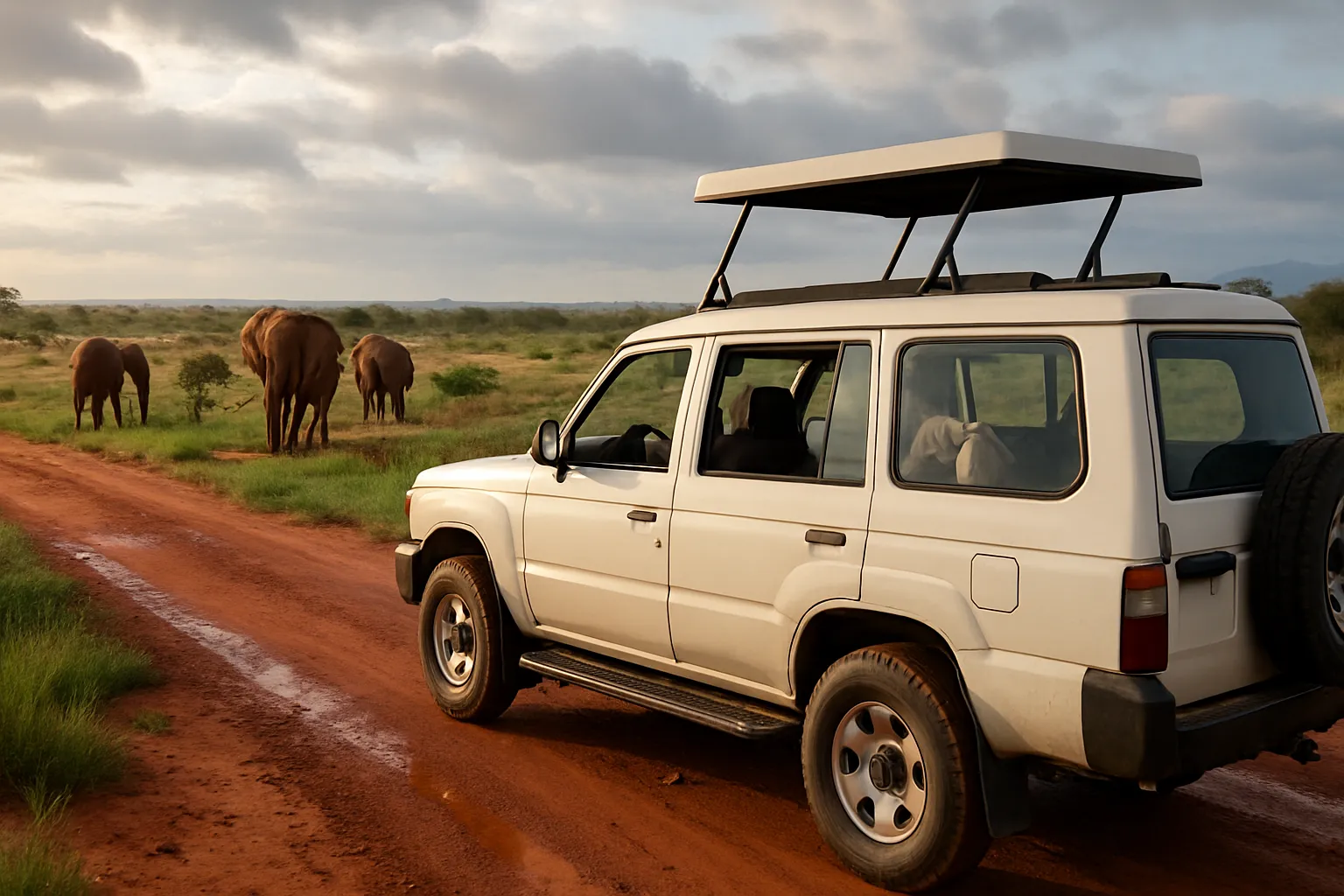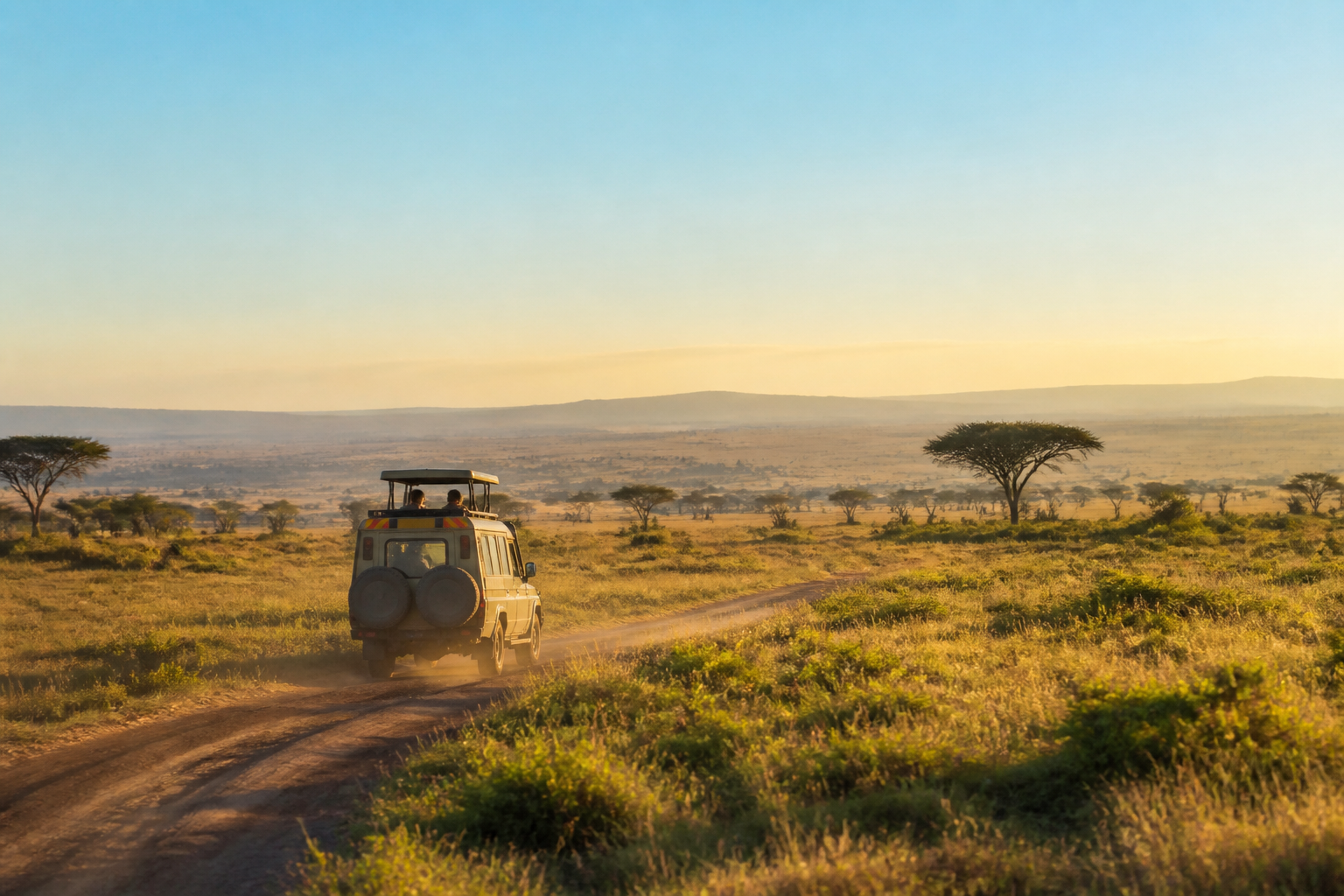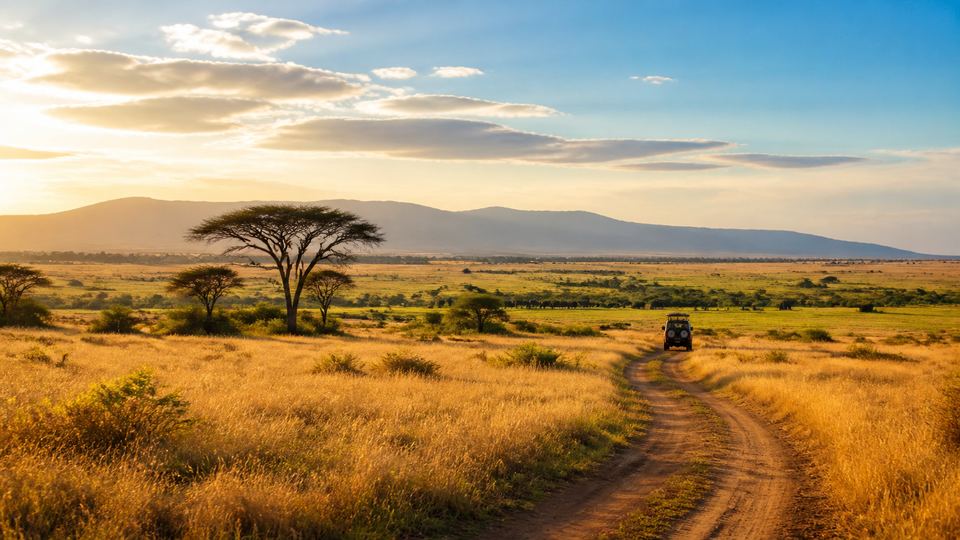
Watching a lion cross the golden plains of the Maasai Mara, seeing elephants beneath Mount Kilimanjaro in Amboseli, or meeting a black rhino among the woodlands of Lake Nakuru can make a Kenya safari unforgettable.
But when is the best time to visit Kenya for a safari?
For many travellers, the dry months from June to October offer the most dependable wildlife viewing. Animals frequently gather around rivers and other permanent water sources, vegetation becomes less dense, and travelling between safari destinations is generally easier.
However, there is no single perfect month for everyone.
The best time for your Kenya safari depends on what you want to experience. Some travellers want to witness the Great Migration. Others prefer green landscapes, newborn animals, migratory birds, smaller crowds or better-value accommodation.
Kenya is a year-round safari destination, and every season reveals a different side of the country. This month-by-month guide will help you choose the right period for your interests, budget and preferred style of travel.
Quick answer: When is the best time to visit Kenya?
The best overall period for a classic Kenya wildlife safari is generally June to October, during the main dry season.
This period usually offers:
- Excellent wildlife visibility
- Comfortable daytime conditions
- Easier access to most parks and reserves
- Greater chances of seeing large wildlife concentrations
- Potential Great Migration activity in the Maasai Mara from approximately July to October
The January-to-February dry period is another excellent choice, particularly for Amboseli, Tsavo and other southern safari areas.
Travellers seeking green scenery, birdlife, fewer vehicles and attractive seasonal value should consider November, early December or parts of March.
Kenya’s weather varies by location and from year to year. Rainfall patterns can also shift, so seasonal descriptions should be treated as planning guidance rather than guarantees.
Understanding Kenya’s safari seasons
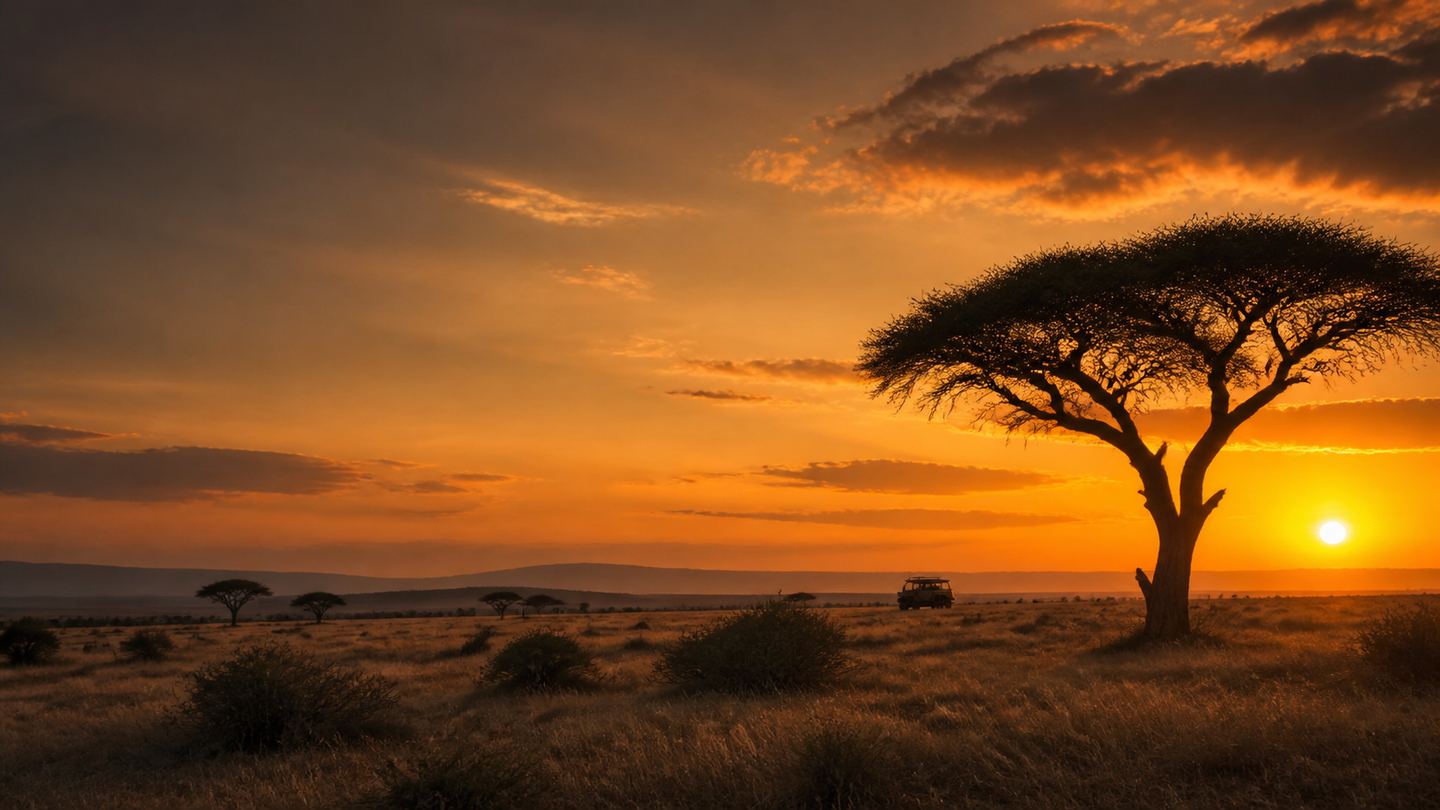
Kenya’s safari calendar can be divided broadly into four periods.
January to February: Short dry season
January and February are usually warm and relatively dry in many parts of Kenya. Wildlife viewing can be very rewarding, and Amboseli may offer beautiful views of Mount Kilimanjaro—especially during clear mornings.
March to May: Long-rains season
The main rainy period normally develops from March and continues through May, although its timing and intensity vary. Landscapes become green, birdlife flourishes and many properties offer lower seasonal rates.
April and May commonly receive the heaviest rainfall. Some unpaved roads can become muddy, and certain camps may close temporarily.
June to October: Main dry season
This is Kenya’s most popular safari season. Conditions are often dry, vegetation becomes thinner and animals gather close to dependable water sources.
It is also the period most associated with the Great Migration in the Maasai Mara, although the herds follow rainfall and fresh grazing rather than a fixed human calendar.
November to December: Short-rains season
Short rains often arrive between October and December. They are generally less prolonged than the long rains, although conditions differ between regions and years.
The rains refresh the landscape, reduce dust and attract migratory birds. Wildlife remains present, making this an appealing period for photographers and travellers seeking fewer crowds.
Kenya safari month by month
January: Warm weather and excellent wildlife viewing
January is one of the strongest months for a Kenya safari.
Many destinations experience warm, relatively dry conditions following the short rains. The landscape may retain some greenery, while roads are generally easier to navigate than during the wetter months.
Wildlife viewing is particularly rewarding in Amboseli, Tsavo East, Tsavo West, Samburu and the Maasai Mara. Clear mornings in Amboseli may reveal Mount Kilimanjaro rising behind herds of elephants—one of Kenya’s most iconic safari scenes.
January is ideal for:
- Elephant viewing in Amboseli
- Photography with green or partially green landscapes
- Combining a safari with Kenya’s coast
- Warm-weather travel
- Families travelling during the holiday period
Because the beginning of January overlaps with the festive season, early booking is recommended.
February: Dry conditions and rewarding game drives
February is often one of Kenya’s driest and warmest months. As surface water becomes less widely available, animals may concentrate around permanent rivers, wetlands and waterholes.
Vegetation can become less dense, making wildlife easier to locate. Predators may also be easier to observe as they follow concentrations of prey.
This is an excellent time to visit Amboseli, Samburu, Tsavo and the Maasai Mara. Photographers should prepare for bright midday light and plan important game drives around the softer light of early morning and late afternoon.
February is ideal for:
- Reliable general wildlife viewing
- Big-cat sightings
- Elephant encounters
- Clear early-morning photography
- A safari-and-beach holiday
March: A quieter transition into the rainy season
March is a transitional month. The beginning of the month may remain warm and relatively dry, while rainfall often becomes more frequent later.
Conditions vary considerably from one year to another. Travellers visiting during March can enjoy greener scenery, fewer safari vehicles and potentially better-value accommodation.
Rain can produce dramatic skies and beautiful photographic light. Wildlife remains active, although animals may begin dispersing as natural water becomes more widely available.
March is ideal for:
- Travellers who prefer fewer crowds
- Green-season photography
- Flexible, value-conscious travellers
- Birdwatching
- Repeat safari visitors seeking a different atmosphere
If you travel in March, a flexible itinerary and a dependable four-wheel-drive safari vehicle are especially valuable.
April: Lush landscapes and low-season tranquillity
April commonly falls within the heart of Kenya’s long-rains season.
Some areas receive heavy showers, roads may become muddy, and occasional storms can interrupt travel plans. However, rainfall does not necessarily continue throughout every day. Many days include dry intervals suitable for game drives.
The countryside becomes exceptionally green, flowers appear and dramatic clouds create striking photographic backgrounds. There are also fewer visitors in many safari areas.
Some seasonal camps close during April, so accommodation and routing must be confirmed carefully.
April is ideal for:
- Experienced safari travellers
- Landscape and wildlife photographers
- Birdwatchers
- Travellers who value privacy
- Visitors comfortable with changing weather
April is less suitable for travellers who want highly predictable road conditions or a tightly timed multi-park itinerary.
May: Beautiful scenery with improving late-month conditions
May is another green-season month. Rainfall may remain significant, particularly during the beginning and middle of the month, but conditions often start improving toward the end.
Wildlife remains present throughout Kenya’s parks and reserves. The challenge is not a lack of animals but that thick vegetation and abundant water can make some animals harder to locate.
For patient travellers, May offers peaceful lodges, lush scenery and intimate safari experiences.
May is ideal for:
- Quiet and unhurried safaris
- Green landscapes
- Bird photography
- Honeymooners seeking privacy
- Travellers with flexible schedules
Always confirm whether your chosen camp remains open and whether the access roads are suitable before booking.
June: The beginning of the prime safari season
June marks an important change in Kenya’s safari calendar. Rainfall generally decreases, roads improve and the landscape begins moving from deep green toward drier seasonal colours.
Wildlife visibility improves as vegetation gradually becomes less dense. Visitor numbers are often lower than during the peak months of July and August, making June an excellent balance between favourable conditions and manageable crowds.
Nights and early mornings can be cool, particularly in the Maasai Mara, Nairobi, Laikipia and other elevated areas.
June is ideal for:
- Strong wildlife viewing before peak season
- Pleasant daytime temperatures
- Family and couple safaris
- Travellers who want fewer vehicles than in July or August
- Multi-destination Kenya itineraries
Pack warm layers for sunrise game drives.
July: Peak wildlife season begins
July is one of Kenya’s most popular safari months.
Dry conditions make wildlife easier to find in many parks, and animals increasingly depend on permanent water sources. The Maasai Mara may begin receiving large wildebeest and zebra herds from Tanzania’s Serengeti ecosystem, although the precise timing varies each year.
The Mara River crossings receive considerable attention, but they cannot be scheduled like a performance. Herd movements depend on rainfall, grazing and the animals’ natural behaviour. A longer stay improves your chances, but no ethical tour operator can guarantee a crossing.
July is ideal for:
- Classic big-game viewing
- Potential Great Migration activity
- First-time safari travellers
- Family holidays
- Combining several parks
Demand is high, so accommodation and experienced guides should be booked well in advance.
August: Excellent wildlife and Great Migration opportunities
August is often considered one of the best months for a Maasai Mara safari.
Large herds may be present across the greater Mara ecosystem, and predator activity can be intense. Lions, cheetahs, leopards and hyenas take advantage of the abundance of prey.
Wildlife viewing is also excellent beyond the Maasai Mara. Amboseli, Tsavo, Samburu, Lake Nakuru and Laikipia can all provide rewarding safari experiences.
August is part of the peak season, so popular areas can become busy. A thoughtfully designed itinerary can improve the experience by using conservancies, smaller camps, longer game drives and less congested areas.
August is ideal for:
- Great Migration experiences
- Big-cat viewing
- First-time Kenya safaris
- Wildlife photography
- Travellers seeking the classic dry-season landscape
Book early if you have specific camps or lodges in mind.
September: Exceptional viewing with slightly fewer visitors
September frequently offers an outstanding combination of dry-season wildlife and somewhat lower visitor numbers than August.
Migration herds may remain in the Maasai Mara, although their location changes continuously. Resident wildlife—including lions, elephants, giraffes, buffaloes and antelopes—provides excellent viewing regardless of the migration’s position.
Days are often warm, mornings can be cool and the dry landscape makes animals easier to locate.
September is ideal for:
- Excellent all-round wildlife viewing
- Honeymoons and private safaris
- Wildlife photography
- Potential migration sightings
- Travellers seeking a balance between conditions and crowd levels
For many safari enthusiasts, September is one of the finest months to visit Kenya.
October: A rewarding bridge between seasons
October begins dry in many areas, but the short rains may develop as the month progresses.
Early October can still provide excellent dry-season wildlife viewing and possible migration activity in the Maasai Mara. Later in the month, rainfall may refresh the landscape and reduce dust.
This transition can produce dramatic skies and varied photographic conditions. Temperatures are generally warm, while visitor numbers may begin to decrease.
October is ideal for:
- Late dry-season wildlife viewing
- Potential late migration activity
- Warm weather
- Photography
- Travellers who do not mind occasional rain
Because the onset of rain is unpredictable, travellers should prepare for both dry and wet conditions.
November: Green-season beauty and outstanding birdlife
November is associated with Kenya’s short rains, but this does not mean constant rain.
Showers often occur in bursts, with periods of sunshine in between. The rains transform dry plains into fresh green landscapes and improve visibility by clearing dust from the air.
Migratory bird species begin arriving, adding to Kenya’s already remarkable bird diversity. Wildlife remains abundant, although animals may spread across wider areas as water becomes available.
November is ideal for:
- Birdwatching
- Green landscapes
- Fewer safari vehicles
- Dramatic skies
- Better seasonal value
Travellers should carry lightweight waterproof clothing and allow flexibility for road conditions.
December: Festive travel and refreshed landscapes
December can be a beautiful time to visit Kenya.
The landscape is often green following the short rains, while wildlife viewing remains rewarding. Migratory birds add colour and variety, and the combination of safari and beach travel is especially attractive.
The second half of December is a busy holiday period. Lodges, flights and coastal resorts may fill quickly, with festive-season supplements applying at some properties.
December is ideal for:
- Family holidays
- Safari-and-beach combinations
- Birdwatching
- Green-season photography
- Christmas and New Year travel
Book several months ahead if you plan to travel during the festive period.
When is the best time to see the Great Migration in Kenya?
The Great Migration is a year-round movement involving wildebeest, zebras and other grazing animals across the Serengeti–Mara ecosystem.
The herds are generally expected in Kenya’s Maasai Mara between July and October, but nature does not follow an exact schedule. Arrival and departure dates depend on rainfall, river conditions and the availability of fresh grazing.
August and September are often selected for strong migration opportunities, but travellers should remember:
- River crossings cannot be guaranteed.
- The herds can change direction unexpectedly.
- A longer stay improves the likelihood of meaningful sightings.
- The Maasai Mara has exceptional resident wildlife even without a crossing.
- A successful safari should never be judged by one event alone.
An experienced guide who understands current herd movements is one of the most valuable parts of a migration safari.
Best time to visit Kenya for fewer crowds
For lower visitor numbers, consider:
- January after the holiday period
- March before the heavier rains
- April and May if you accept wet conditions
- June before the main peak
- November during the short-rains season
- Early December before festive travel begins
Crowd levels also depend on where you stay. Private conservancies and less-visited parks can provide quiet experiences even during popular travel months.
Best time for a more affordable Kenya safari
April, May and November often provide some of the most attractive seasonal rates. Selected lodges may also offer value during parts of March, June and early December.
A lower price does not automatically mean a weaker safari. Green-season travellers may enjoy:
- Fewer vehicles
- More personal attention in camps
- Beautiful landscapes
- Excellent birdlife
- Dramatic photography
- A more peaceful atmosphere
The trade-off is less predictable weather and, in some areas, more difficult road conditions.
Best season for Kenya’s major safari destinations
Maasai Mara
Visit from July to October for potential Great Migration activity and excellent dry-season wildlife viewing. January, February and June are strong alternatives for resident wildlife with fewer peak-season crowds.
Amboseli National Park
January, February and June through October generally provide rewarding elephant viewing. Clear early mornings may offer excellent views of Mount Kilimanjaro, although the mountain can be hidden by clouds at any time.
Tsavo East and Tsavo West
The drier months are excellent for wildlife viewing, but the parks remain compelling throughout the year. Tsavo is known for vast landscapes, red-earth scenery, elephants, volcanic features and a powerful sense of wilderness.
Lake Nakuru National Park
Lake Nakuru can be visited year-round. It is particularly valued for rhino viewing, birdlife, woodland scenery and its convenient position within a broader Rift Valley itinerary.
Samburu and northern Kenya
The drier periods often concentrate wildlife around the Ewaso Nyiro River and other water sources. Samburu also offers opportunities to see northern species not commonly encountered in southern Kenya.
What should you pack for each season?
For a dry-season safari, pack:
- Neutral, lightweight clothing
- A warm jacket or fleece for early game drives
- Sun protection
- Comfortable closed shoes
- Binoculars
- A reusable water bottle
- A camera and spare batteries
For a green-season safari, add:
- A lightweight waterproof jacket
- Quick-drying clothes
- Protection for cameras and electronics
- Insect repellent
- An additional pair of shoes
- A small waterproof day bag
Avoid assuming Kenya is always hot. Early mornings can be surprisingly cold, especially in elevated destinations and open safari vehicles.
So, what is the best month for your Kenya safari?
Choose July to October if your priority is classic dry-season wildlife viewing and potential Great Migration activity.
Choose January or February for warm, mostly dry conditions and excellent wildlife experiences across several parks.
Choose June or September for an appealing balance of strong wildlife viewing, pleasant conditions and, in many areas, fewer visitors than the busiest weeks.
Choose March, April, May or November if you value green landscapes, birdlife, seasonal savings and quieter safari destinations—and you are comfortable with occasional rain.
The best safari is ultimately not determined by the month alone. The quality of your guide, route, vehicle, accommodation and time spent in each destination can make an even greater difference.
Plan your Kenya safari with Ferdinand Safaris Africa
Every traveller has a different idea of the perfect safari. You may want to photograph big cats in the Maasai Mara, watch elephants in Amboseli, explore the wild landscapes of Tsavo, combine several parks or finish your journey beside the Indian Ocean.
Ferdinand Safaris Africa creates private Kenya itineraries around your travel dates, interests, comfort level and budget. Our local planning support helps you choose the right destinations and travel pace for the season.
[[Explore our Kenya safari tours](https://ferdinandsafarisafrica.com/tours)](https://ferdinandsafarisafrica.com/tours) or [[start planning your private safari](https://ferdinandsafarisafrica.com/booking)](https://ferdinandsafarisafrica.com/booking).
Kenya is ready in every season. The right time to visit is the time that matches the experience you want to remember.
Frequently asked questions
What is the best overall month for a Kenya safari?
August and September are excellent for dry-season wildlife viewing and possible Great Migration experiences. June is a strong alternative for travellers seeking favourable conditions before the busiest period.
What is the rainy season in Kenya?
Kenya generally experiences long rains from approximately March to May and short rains between October and December. Timing and rainfall intensity vary considerably between regions and years. The [[Kenya Meteorological Department](https://meteo.go.ke/our-products/seasonal-forecast/)](https://meteo.go.ke/our-products/seasonal-forecast/) should be consulted for current seasonal forecasts.
Is Kenya worth visiting during the rainy season?
Yes. The rainy season brings green landscapes, fewer visitors, migratory birds and potentially better accommodation rates. Some roads can become difficult, however, and certain seasonal camps may close.
What is the cheapest time to take a Kenya safari?
April, May and parts of November commonly offer attractive low-season value. Exact prices depend on the destination, lodge, transport method and travel dates.
Can I see wildlife in Kenya throughout the year?
Yes. Kenya has abundant resident wildlife throughout the year. Seasonal conditions affect animal distribution, vegetation, road access and visibility, but rewarding safaris are possible in every month.
How many days should I spend on a Kenya safari?
Five to seven days provides enough time for a rewarding multi-destination safari without excessive rushing. Seven to ten days allows a more relaxed itinerary, additional parks or a beach extension. Shorter safaris can still work well when focused on one or two nearby destinations.