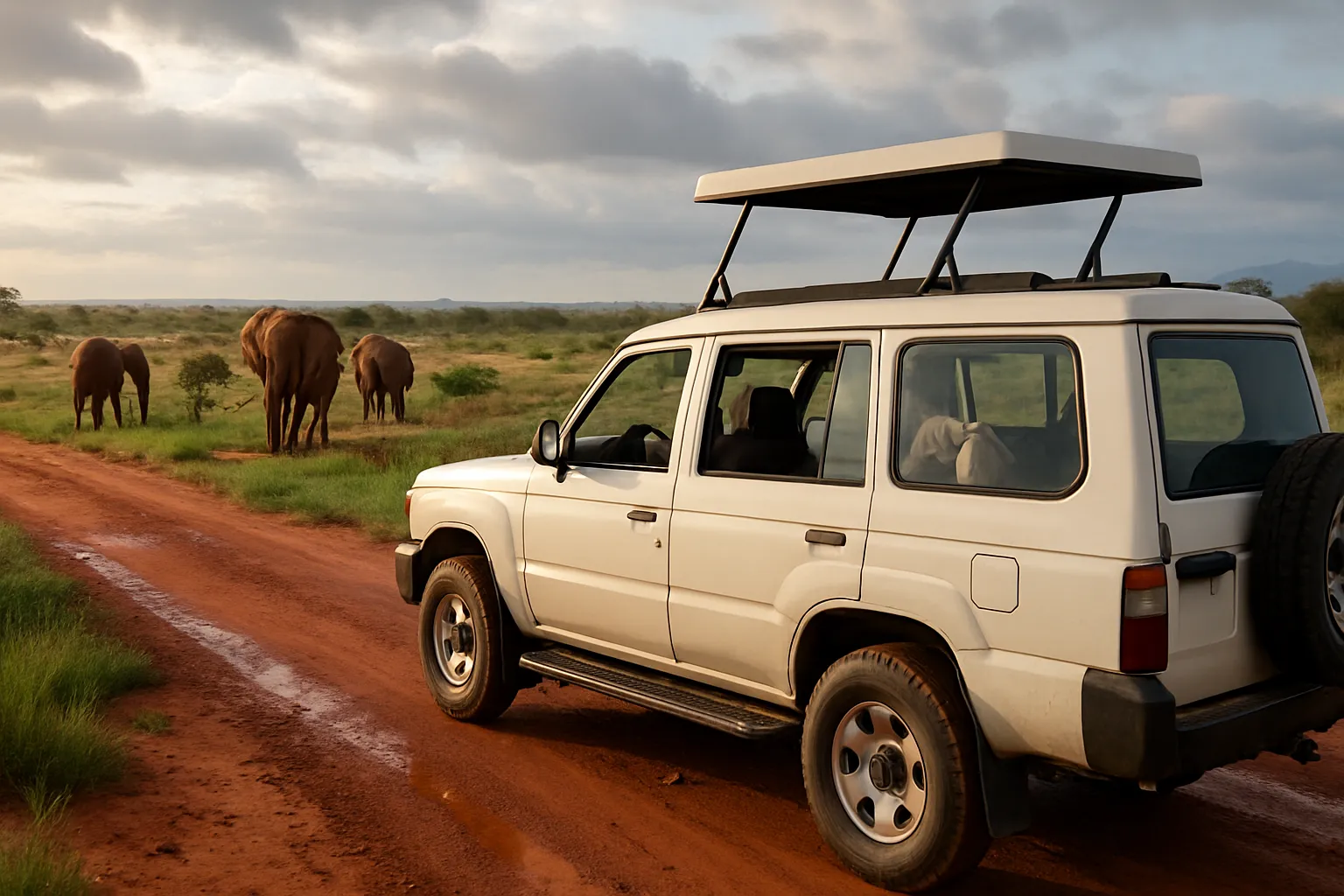
You have chosen Kenya for your safari and identified the best travel season. The next important question is: How many days do you actually need? For most travellers, seven days is the ideal length for a Kenya safari. It provides enough time to visit two or three wildlife destinations, enjoy several game drives and avoid spending every day rushing between parks. A five-day safari can still deliver an exceptional experience when the route is focused. A ten-day safari allows you to travel more slowly, explore different ecosystems and include less-visited destinations. The best duration depends on your interests, budget, travel style and whether your safari will be combined with Nairobi, Mount Kenya or the Kenyan coast. This guide compares realistic 5-day, 7-day and 10-day Kenya safari itineraries to help you choose the right journey.
Kenya Safari Duration at a Glance
Here is a simple starting point:
- 3–4 days: Best for one main destination or a short extension from Nairobi
- 5 days: Suitable for two carefully selected destinations
- 7 days: Ideal for two or three parks at a comfortable pace
- 10 days: Best for a comprehensive Kenya safari with varied landscapes
- 12–14 days: Ideal for an extended safari, conservation experiences and a beach holiday
If this is your first African safari, we generally recommend seven to ten days. This gives you more than one opportunity to find important wildlife, reduces pressure on individual game drives and allows time to appreciate the landscapes rather than simply moving between destinations. A Kenya safari is not only about the number of parks you visit. Wildlife encounters are unpredictable. A lion pride may be resting behind tall grass during one drive and hunting in the open during the next. Elephants may arrive at a waterhole shortly after you leave. A leopard sighting might require patience, good tracking and several attempts. Spending enough time in each destination improves your chances of meaningful encounters. Your itinerary must also account for:
- Driving time between destinations
- Park entrance and exit times
- Lodge check-in schedules
- Meal arrangements
- Rest after international travel
- Road and weather conditions
- The time needed for unhurried game drives
- Whether you travel by road or domestic flight
Trying to include too many parks in too few days can turn a safari into a long transfer between lodges. A well-designed itinerary prioritises quality of experience over the number of destinations listed.
Is 5 Days Enough for a Kenya Safari?
Yes. Five days is enough for an enjoyable Kenya safari if the route is focused and geographically sensible. A five-day itinerary normally works best with two principal destinations. It is particularly suitable for travellers with limited annual leave, business travellers adding a safari to a Nairobi visit, couples taking a short break or guests combining safari with the Kenyan coast.
Day 1: Nairobi to Lake Nakuru
Depart Nairobi and travel through the Great Rift Valley to Lake Nakuru National Park. After checking in, take an afternoon game drive through the park’s grasslands, woodland and lakeshore habitats. Lake Nakuru is an excellent introduction to Kenya’s wildlife and is particularly valued for rhinos, giraffes, buffaloes and diverse birdlife.
Day 2: Lake Nakuru to the Maasai Mara
Enjoy an early game drive or relaxed breakfast before departing for the Maasai Mara. Arrive at your lodge or camp and, depending on timing, take an afternoon game drive.
Days 3 and 4: Maasai Mara
Spend two full days exploring the Maasai Mara. Morning, afternoon or full-day game drives provide opportunities to search for lions, elephants, cheetahs, leopards, buffaloes, giraffes, zebras and many antelope species. Between approximately July and October, large migratory herds may be present in the greater Mara ecosystem, although their precise movement cannot be guaranteed.
Day 5: Maasai Mara to Nairobi
Take a final early game drive where time permits, have breakfast and return to Nairobi. This southern route works particularly well for travellers continuing to Mombasa, Diani or another coastal destination. Amboseli is famous for elephant herds and views of Mount Kilimanjaro, while Tsavo West offers volcanic landscapes, springs, open savannah and a strong sense of wilderness. A five-day safari is suitable if:
- You have limited time
- You want to focus on one region
- You are combining safari with a beach holiday
- You prefer a lower overall trip cost
- You are comfortable with some transfer time
- You want a strong introduction to Kenya rather than a complete circuit
The main mistake to avoid is attempting to fit Maasai Mara, Amboseli, Lake Nakuru and Tsavo into five days. Although such routes can appear exciting on paper, they leave too little time for wildlife viewing.
Why 7 Days Works for Most First-Time Visitors
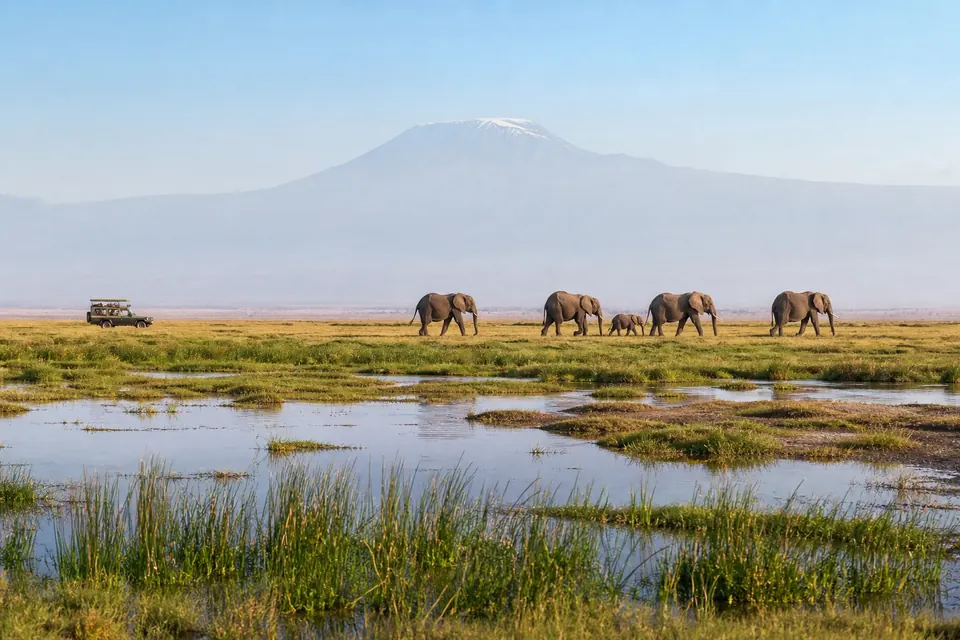
For many first-time visitors, seven days provides the best balance. It allows you to combine three complementary destinations while retaining enough time for multiple game drives. You experience different landscapes and wildlife habitats without making the itinerary unnecessarily exhausting.
Day 1: Nairobi to Amboseli
Meet your driver-guide in Nairobi and travel south to Amboseli National Park. After lunch and check-in, take an afternoon game drive.
Day 2: Full day in Amboseli
Spend the day exploring Amboseli’s plains, wetlands and woodland. The park is renowned for close encounters with elephants. On clear mornings, Mount Kilimanjaro may provide a spectacular backdrop, although cloud cover can conceal the mountain at any time.
Day 3: Amboseli to Lake Nakuru
Depart Amboseli after breakfast and travel toward the Great Rift Valley. This will be one of the itinerary’s longer transfer days, so planned stops and a comfortable safari vehicle are important.
Day 4: Lake Nakuru to the Maasai Mara
Begin with a morning game drive in Lake Nakuru National Park. Search for rhinos and other wildlife before continuing to the Maasai Mara.
Days 5 and 6: Full days in the Maasai Mara
Two full days provide time to explore different parts of the reserve or surrounding conservancies. You can choose separate morning and afternoon drives or carry a picnic lunch for a longer day in the field. Optional experiences may include a hot-air balloon safari, guided nature walk where permitted or a respectful community visit.
Day 7: Maasai Mara to Nairobi
Enjoy breakfast or an early game drive before returning to Nairobi. A flight from the Mara can reduce travel time if your budget permits. Travellers who prefer a slower pace can select only two destinations:
- Two or three nights in Amboseli
- Three or four nights in the Maasai Mara
- Arrival or departure night in Nairobi
This option provides deeper wildlife viewing and less time on the road. A seven-day safari is ideal for:
- First-time visitors to Kenya
- Couples and honeymooners
- Families with older children
- Wildlife photographers
- Travellers who want several ecosystems
- Visitors combining safari with a separate beach holiday
For most travellers asking us for a complete but manageable Kenya safari, seven days is our strongest general recommendation.
When to Choose a 10-Day Kenya Safari
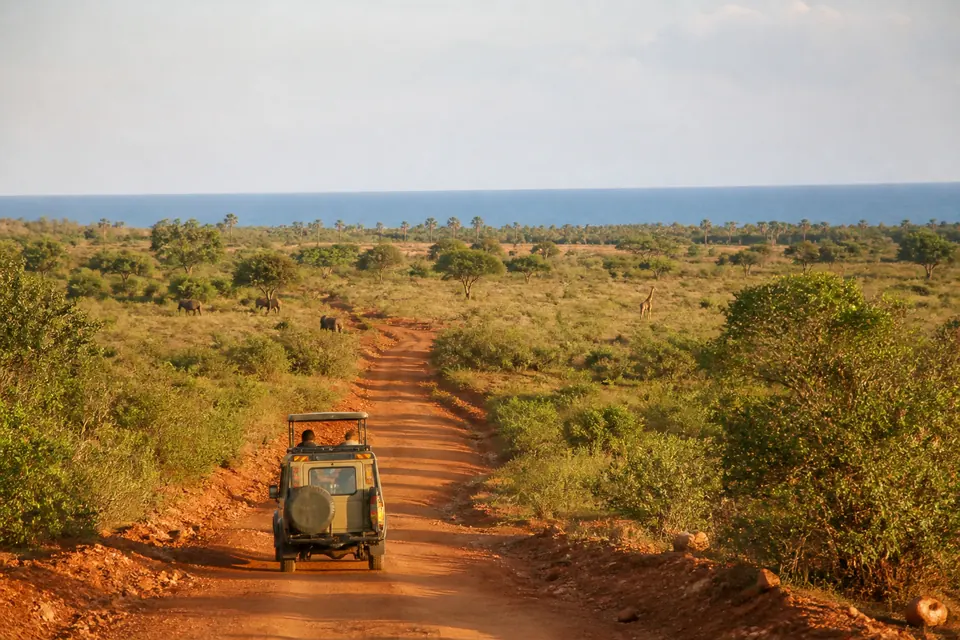
A ten-day safari allows the journey to become more than a collection of game drives. You can visit northern and southern ecosystems, include conservation areas, spend several nights in important destinations and build rest into the itinerary. It is also long enough to combine famous parks with places that receive fewer visitors.
Day 1: Arrival in Nairobi
Arrive at Jomo Kenyatta International Airport and transfer to your Nairobi hotel. Depending on your arrival time, relax or arrange a short city experience. Beginning with a night in Nairobi is advisable after a long international flight.
Day 2: Nairobi to Amboseli
Travel to Amboseli and take an afternoon game drive after checking into your lodge or camp.
Day 3: Full day in Amboseli
Explore Amboseli with morning and afternoon game drives. Look for elephants, lions, buffaloes, giraffes, zebras and abundant birdlife.
Day 4: Amboseli to Nairobi or central Kenya
Leave Amboseli and break the journey toward central Kenya. Depending on your transport arrangements, you may spend the night near Nairobi, Mount Kenya or Nanyuki.
Day 5: Ol Pejeta Conservancy
Explore Ol Pejeta and learn about its wildlife-conservation work. The conservancy offers opportunities to see rhinos and other wildlife while adding an educational dimension to the safari.
Day 6: Ol Pejeta to Lake Nakuru
Travel through Kenya’s central highlands and Rift Valley toward Lake Nakuru. Take an afternoon game drive if arrival time permits.
Day 7: Lake Nakuru to the Maasai Mara
Enjoy another wildlife drive before continuing to the Maasai Mara.
Days 8 and 9: Full days in the Maasai Mara
Spend two complete days following wildlife movements across the Mara. A longer stay provides flexibility. Instead of trying to see everything on one drive, you can explore different habitats, spend more time at important sightings and adjust each day around current wildlife information.
Day 10: Maasai Mara to Nairobi
Return to Nairobi by road or take a scheduled flight, depending on your budget and onward travel arrangements.
Combining Safari with the Kenya Coast
Travellers interested in both wildlife and relaxation can combine:
- Two or three nights in Amboseli
- Two nights in Tsavo West or Tsavo East
- Four or five nights in Diani, Mombasa or Watamu
This route creates a natural progression from Nairobi through southern Kenya to the Indian Ocean. A ten-day safari is best for:
- Travellers making a once-in-a-lifetime journey
- Photographers who want more time in the field
- Families preferring a gentler pace
- Honeymooners combining adventure and relaxation
- Repeat visitors looking beyond the main circuit
- Travellers who want conservation and cultural experiences
- Guests combining road travel with internal flights
Road Safari, Flying Safari or Both?
Your transport method significantly affects how much you can include. A private road safari lets you observe Kenya’s changing landscapes and travel with the same driver-guide through most of the itinerary. Road safaris can be more economical for couples, families and small groups. Your vehicle is also available for your scheduled game drives. The disadvantage is that transfers between some destinations take several hours. Scheduled flights connect Nairobi with destinations such as the Maasai Mara, Amboseli, Samburu and the Kenyan coast. Flying reduces transfer time and can make a short safari feel more relaxed. However, luggage allowances may be lower, costs are higher and game drives may be shared unless private vehicle arrangements are included. A combined itinerary can work well: travel by road through connected destinations and fly back to Nairobi from the final park.
How Many Nights to Spend in Each Park
As a general guide:
- Maasai Mara: At least three nights
- Amboseli: Two or three nights
- Lake Nakuru: One or two nights
- Tsavo East or Tsavo West: At least two nights
- Samburu: Two or three nights
- Ol Pejeta or Laikipia: Two nights
- Nairobi: One night on arrival when necessary
These are planning guidelines rather than strict rules. Your travel season, arrival time, preferred activities and transport method may change the ideal allocation. During a migration-focused Maasai Mara safari, spending four nights can improve your chances of finding the herds and observing a variety of wildlife behaviour. River crossings, however, remain unpredictable and cannot be guaranteed.
Do Arrival and Departure Days Count?
Not always. If your international flight arrives late in the evening, that day should not be treated as a genuine safari day. You will need time for immigration, baggage collection, transfer and rest. Likewise, an early international departure may require you to return to Nairobi the previous day. When comparing safari packages, check whether “seven days” means seven complete days in wildlife destinations or whether the advertised duration includes arrival and departure days. A transparent itinerary should clearly show:
- Where each night is spent
- Approximate transfer periods
- Planned game drives
- Included meals
- Park entry arrangements
- Whether airport transfers are included
- Whether the first and final days contain meaningful activities
How Season Affects Safari Duration
Safari duration should also reflect the time of year. During the dry season, wildlife may be easier to locate around permanent water sources, but popular destinations can be busy. During the green season, lower visitor numbers and lush scenery can be appealing, although some roads may require additional travel time. If you have not yet selected your dates, read our guide to the best time to visit Kenya for a safari. It explains Kenya’s wildlife, weather, crowds and seasonal value month by month. Always confirm the latest seasonal outlook before travelling. Weather patterns and wildlife movements vary from year to year.
Common Safari Duration Mistakes
A longer list of destinations does not automatically create a better safari. Two well-chosen parks can be more rewarding than four rushed ones. A one-night stay often provides only an afternoon drive and a short morning drive. Delays can reduce this even further. Driving between parks is part of the journey, but long daily transfers reduce your time with wildlife. No responsible operator can guarantee a leopard, hunt, river crossing or clear view of Mount Kilimanjaro. A strong itinerary creates several opportunities while celebrating the entire ecosystem. The cheapest quotation may exclude park fees, use unsuitable transport, include excessive driving or provide too little time in each destination. Compare the complete experience rather than the headline price alone. Beginning a long road transfer immediately after an overnight flight can make the first day unnecessarily tiring.
How to Choose Between 5, 7 and 10 Days
Choose a five-day safari if you have limited time and are happy to focus on one region or two destinations. Choose a seven-day safari if you want a balanced first experience with several parks and a comfortable number of game drives. Choose a ten-day safari if you want a comprehensive journey, a more relaxed pace and opportunities to include conservation areas or less-visited destinations.
Adding the Kenya Coast
If your schedule allows it, add several days on Kenya’s coast after the safari. Diani, Mombasa, Watamu and Lamu offer different combinations of beaches, marine activities, history and Swahili culture.
Final Advice
The ideal Kenya safari is not necessarily the itinerary with the most days or the most parks. It is the journey that uses your available time intelligently. A well-planned five-day safari can be far more rewarding than a rushed ten-day circuit. The right route should reflect your arrival schedule, travel season, preferred wildlife, budget, comfort level and tolerance for long drives. Ferdinand Safaris Africa designs private and small-group safaris from Nairobi around the experience you want—not a one-size-fits-all schedule. Whether you have five days, seven days or two full weeks, we can help you select destinations that work together and give you enough time to enjoy them. Explore our Kenya safari tours or start planning your private Kenya safari.
FAQs
Is 5 days enough for a Kenya safari?
Yes. Five days is enough when you focus on no more than two well-connected destinations. Lake Nakuru and the Maasai Mara or Amboseli and Tsavo are sensible combinations.
Can I combine Maasai Mara and Amboseli in one safari?
Yes, although the itinerary will include a significant transfer between the two regions. Adding Lake Nakuru can break part of the journey, while flying between destinations can reduce road time.
How many nights do I need in the Maasai Mara?
Plan at least three nights. Four nights may be better during a migration-focused safari or when wildlife photography is a priority.
Can I combine safari with the Kenya coast?
Yes. Amboseli and Tsavo combine naturally with the Kenyan coast. You can also fly from Nairobi or the Maasai Mara to coastal destinations, depending on available schedules.
Is it better to drive or fly between safari destinations?
Neither is universally better. Road travel offers flexibility, changing scenery and greater value for some groups. Flying saves time and may be more comfortable on short or high-end itineraries.
How many days are ideal for a first Kenya safari?
Seven to ten days is ideal for most first-time visitors. This provides enough time for several destinations without making the journey unnecessarily rushed.
Is a Kenya safari suitable for children?
Many children can enjoy a seven-day safari when the itinerary includes suitable lodges, shorter drives, rest periods and age-appropriate activities. The ideal pace depends on the children’s ages and previous travel experience.